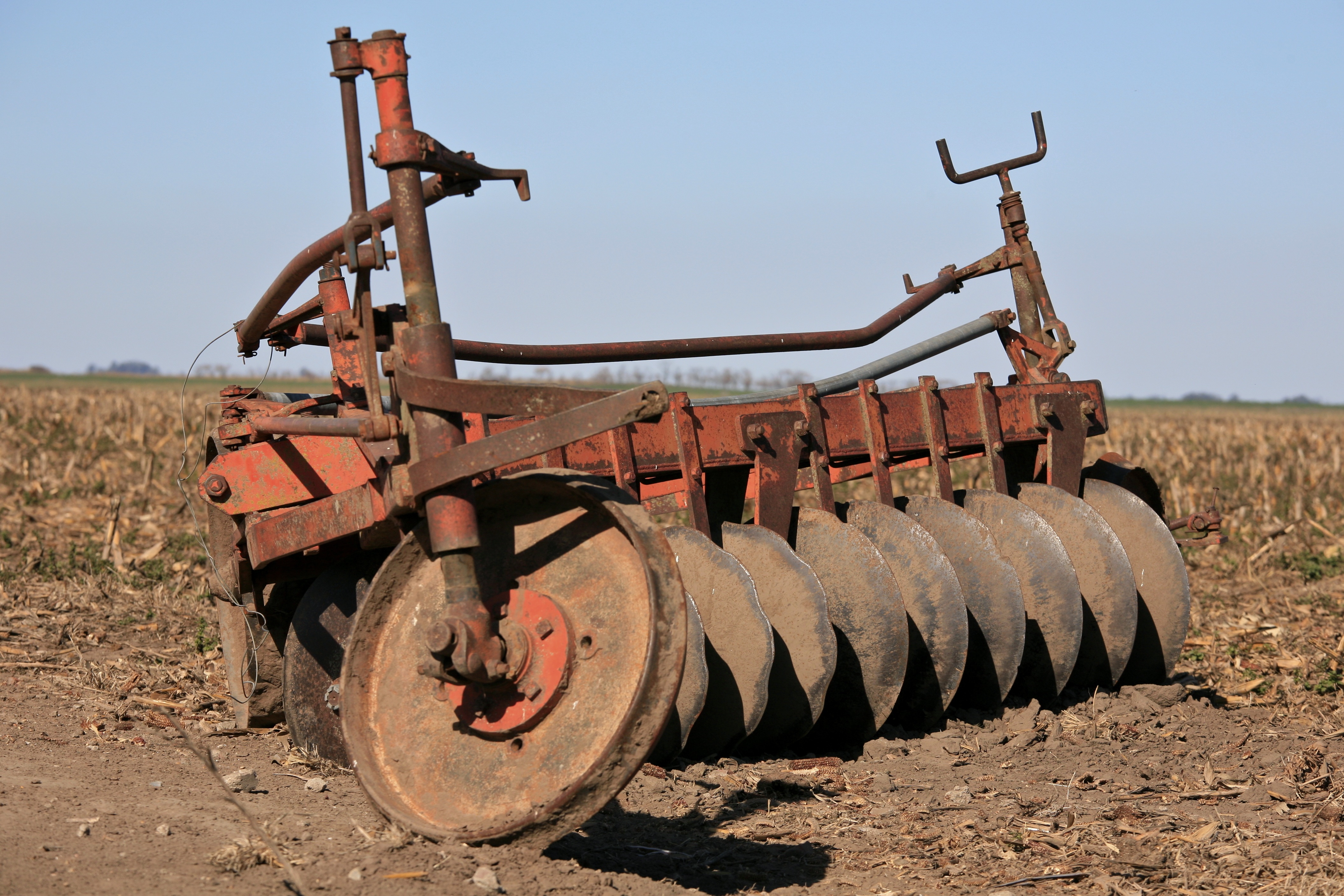
On small farms in Ontario — operations typically running between 20 and 150 cultivated acres — soil health decisions carry a proportionally larger impact than on large operations. With fewer acres over which to average out poor soil conditions, a field with low organic matter or a compacted subsoil layer can meaningfully reduce whole-farm output in a single season.
Organic Matter and What Moves It
Soil organic matter (SOM) in Ontario ranges widely by region. In clay-heavy soils of southwestern Ontario, SOM percentages in the 3–5% range are not unusual in fields with long histories of cover cropping or hay. In sandier soils of the Norfolk Sand Plain, SOM may sit below 2% without deliberate management. Ontario's Ministry of Agriculture, Food and Rural Affairs (OMAFRA) field crop recommendations reference SOM as a factor in both nutrient release rates and moisture retention.
Factors That Reduce Organic Matter
Repeated tillage — particularly aggressive cultivation that fractures soil aggregates and exposes organic particles to oxidation — is among the fastest routes to SOM decline on worked ground.
Removing crop residues (straw, corn stover) without returning any organic material to the soil reduces the annual carbon input that partially offsets decomposition losses.
Extended fallow periods leave the soil surface exposed to temperature fluctuations and microbial activity without carbon replenishment.
Fall vs. Spring Tillage
The decision between fall and spring tillage involves several tradeoffs that play out differently on small farms depending on equipment, soil type, and labour availability at each end of the growing season.
Fall Tillage Arguments
Fall tillage — moldboard plowing or chisel plowing after harvest — allows soil to freeze and thaw over winter, which breaks up clods in clay soils and creates a friable seedbed the following spring. Producers who grow crops with short spring planting windows, like corn, often prefer fall primary tillage to reduce spring workload when conditions may be wet.
However, fall tillage leaves worked soil exposed to erosion over winter and spring. In areas with significant snowmelt runoff — parts of Ontario's Simcoe and Grey counties, for example — worked fields can lose topsoil and nutrients into drainage channels between October and April.
Spring Tillage Arguments
Spring tillage preserves residue on the soil surface through winter, reducing erosion. It also avoids compacting wet soils in autumn, which is a meaningful risk when harvesting late crops in wet conditions. The tradeoff is that spring tillage adds workload during a period when planting schedules are already compressed.
On small farms with limited equipment, fall primary tillage followed by spring secondary tillage is a common compromise — doing the heavier work in fall and only finishing work in spring.

Compaction: Where It Comes From on Small Farms
Soil compaction on small farms rarely comes from the same sources as on large operations. Heavy grain carts and fully loaded combines create the most severe compaction problems on large acreages. On smaller farms, the primary compaction risks are:
- Repeated traffic in the same wheel tracks, particularly during wet field conditions
- Operating a tractor or equipment when the field is at or above field capacity
- Tillage at consistent depth year after year, which can form a hardpan layer just below the tillage depth (sometimes called a tillage pan or plow sole)
Identifying a Compaction Layer
A simple penetrometer (soil compaction probe) can identify compaction layers. Resistance above approximately 300 psi at depths between 15 and 30 cm often correlates with reduced root penetration in corn and soybeans. Visual evidence during tillage — a shiny, smooth layer on the bottom of a tillage furrow — is also an indicator of a hardpan.
Deep tillage (subsoiling) can break compaction layers, but results are temporary unless the cause — traffic on wet soils — is addressed. On small farms where field layout allows it, reducing field access when conditions are wet is more durable than periodic subsoiling.
Soil Testing Frequency and Timing
Ontario's OMAFRA recommends soil testing every three to four years as a baseline, with more frequent testing on fields where organic matter inputs or crop sequences have changed significantly. Autumn is generally preferred for soil sampling because soil nutrient levels are more stable after crop removal, and results are available before spring fertilizer decisions need to be finalized.
Composite sampling — taking multiple cores from across a field and mixing them before sending to a lab — is standard practice on small farms. Grid sampling (taking individual samples from a defined grid pattern) is more common on larger operations where variable-rate fertilizer application can be justified economically.
On-Farm Compost and Manure Applications
For small farms that keep livestock or have access to municipal compost, organic amendments provide both nutrients and direct SOM inputs. Manure application rates in Ontario are governed by the Nutrient Management Act, which sets loading limits based on crop nutrient requirements and soil test phosphorus levels. Application to frozen or snow-covered ground is restricted to reduce runoff risk.
Well-composted manure or compost applied at agronomic rates over multiple years measurably increases SOM on worked fields. This is particularly relevant on cash crop operations where crop residues are the primary carbon input.